Cities at War Base Layout Tips
Separate money makers from military exits, cover real approach lanes, and keep builders able to repair after every fight.
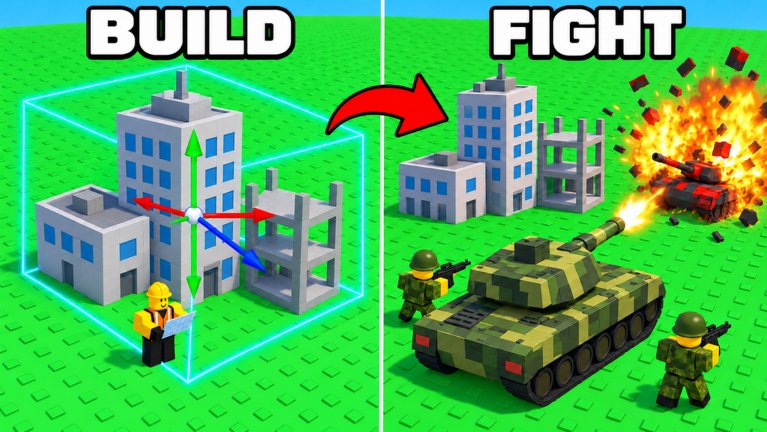
A strong Cities at War city is not only what you build—it is where you put it. Bad layouts hide barracks behind farms, leave docks-facing production exposed, and force every reinforcement to take the scenic route through your own housing. This guide covers practical placement: economy buffers, military districts, defense coverage, and repair access.
Use it alongside Economy and Docks, Army Build, and Capture Points so your map plans match the roads inside your plot.
Layout goals that matter
Every useful layout does four things:
- Keeps production clustered and employed.
- Gives military units a clean path to the map.
- Puts defensive structures on real approach lanes.
- Leaves room for builders to expand or repair without demolition chaos.
Pretty symmetry is optional. Functional pathing is not.
Economy buffer: protect the money
Farms, mines, mills, and homes are your compounding engine. Place them in a compact core with housing nearby so workers are not the hidden bottleneck. Keep a buffer between this core and the outer edge where rivals path in. That buffer can be open space, defensive towers, or lower-priority buildings you can afford to lose first.
Avoid scattering one farm on every empty tile. Sprawl looks like progress and plays like a maintenance nightmare. Dense loops are easier to defend, easier to staff, and easier to finish before you go offline.
Dock access matters too. Goods need a sensible route toward trade. You do not need a museum-quality road network, but you do need to avoid boxing production behind military yards that constantly clog with units.
Military placement and exit lanes
Barracks belong where trained units can leave toward outposts and other objectives quickly. Face military districts outward. If soldiers must cross the entire farm grid to exit, every capture starts late and every defense rotates slowly.
Practical military placement rules:
- Put barracks near the map-facing side of your city.
- Leave a clear corridor for tanks and infantry to stage.
- Keep air production accessible without deleting homes every expansion.
- Reserve a home-guard rally spot that does not block the exit corridor.
When you expand into helicopters, jets, and drones, preserve those corridors. Late-game clutter is how winning economies lose fights they should have reinforced in time.
Defense structures that cover approaches
Sniper towers and other defenses only work if they see the paths attackers actually use. Place them to overlap on chokepoints into your economy buffer and barracks line. Towers on unused corners waste cash.
Layer defense:
- Outer eyes on likely entry angles.
- Inner coverage around production and builder huts.
- Enough gaps that your own army can still sortie.
Overbuilding walls of towers without an army creates a static city that folds once someone bypasses a lane. Underbuilding towers while you send everyone to the Capital creates a soft core. Balance with the capture timing from the capture guide.
Builder access and repair mindset
Builder huts are part of layout, not an afterthought. If builders cannot reach damaged or queued structures, your comeback after a raid stalls. Keep construction access open around both economy and military districts.
After fights, your first rebuild targets should be income and training capacity, not cosmetic fills. A repaired farm loop and an open barracks exit win more rematches than a rebuilt decorative plaza.
Staging for the capture ladder
Your city should point toward the ladder you intend to climb. If outposts sit east, do not bury military west behind homes. Orient staging areas so moves toward firebases, oil rigs, and the Capital feel natural. When PvP against rival cities begins, the same outward-facing military district shortens raid travel time.
Small servers punish predictable greed. If your whole army always leaves through one obvious funnel, vary rally points when possible and keep a visible home guard so opportunistic neighbors hesitate.
Redesign without bankrupting yourself
Early layouts will be wrong. That is fine. Redesign in slices: move one production cluster, open one corridor, relocate two towers. Selling and replacing everything at once can stall research and docks timing for an entire session.
Use build-speed research when you commit to a larger rearrange so the new plan finishes while you are still online.
Layout checklist
- Compact production with nearby housing.
- Economy buffered from the outer approach.
- Barracks facing map exits with a clear corridor.
- Sniper towers on real lanes, overlapping where it counts.
- Builder routes open for repair and expansion.
- Home-guard space that does not choke sorties.
What to open next
Fund the city with Economy and Docks, fill the corridors using Army Build, and send those armies through Capture Points. If controls or placement tools feel awkward, skim Controls and confirm keybinds in your in-game settings.
Build for movement and money. In Cities at War, the base that reinforces first usually keeps the point the prettier base only photographed.
Frequently Asked Questions
Quick answers for Cities at War on Roblox.
Where should I place barracks?
On the map-facing side of your city with a clear exit corridor. Avoid burying training buildings behind farms and homes.
How do I protect production buildings?
Keep farms, mines, mills, and housing in a compact core, add a buffer toward enemy approaches, and cover real entry lanes with sniper towers.
Should my base be perfectly symmetric?
No. Function beats symmetry. Prioritize worker access, military pathing, tower coverage, and builder repair routes.
When should I redesign my layout?
When pathing or defense problems cost you fights or income. Redesign in slices so you do not stall docks trading and research for a full session.
Do towers replace a home army?
No. Towers slow and punish pushes; a garrison still needed, especially while expedition forces contest outposts or the Capital.