Cities at War Research Tree Priorities
Spend skill points on the bottleneck you feel now—cash, construction speed, or combat power—then reassess after each capture.
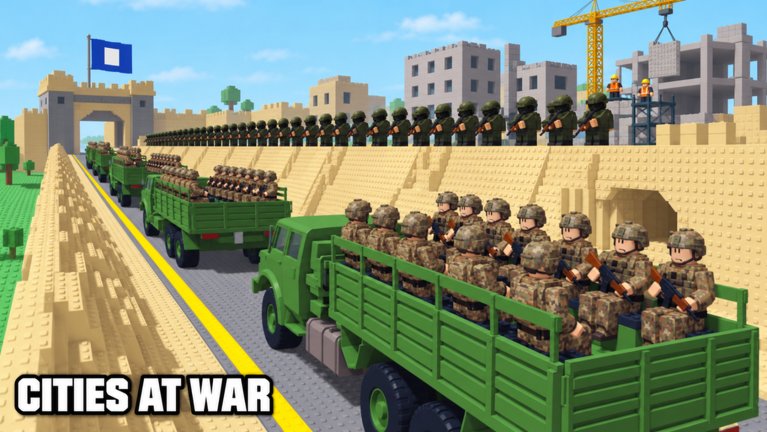
Research is the quiet multiplier behind every Cities at War session. Buildings and units are visible; the skill tree decides how fast those pieces come online and how hard they hit. This guide explains how to choose between economy, build speed, and army strength without spreading points so thin that nothing changes.
Pair research decisions with the loops in Getting Started, cash flow in Economy and Docks, and combat plans in Army Build.
What the tree is for
The research or skill tree improves core pillars of the tycoon-war loop: how much you earn, how quickly you build, and how strong your army fights. Exact node names and costs can shift with updates, so treat this page as a priority framework rather than a frozen list of point values.
Good research play answers one question at a time: what stops me from executing my next plan? If the answer is empty pockets, take income. If queues crawl while cash sits unused, take build speed. If you are about to contest outposts or worse, take army strength.
Economy research first for most beginners
New cities usually starve for cash before they starve for kill power. Income-oriented research makes farms, mills, mines, and dock sales work harder. That extra cash buys the next housing block, builder hut, and barracks more safely.
Signs you need economy research now:
- You delay buildings because the treasury is empty.
- Dock dips ruin your entire session plan.
- You cannot replace even a small lost squad.
Economy research is not forever. Once cash feels comfortable and builders stay busy, pivot. Parking every point in income while rivals take firebases will leave you rich and irrelevant.
Build speed when construction is the wall
Build speed shines when you already have money but watch plots sit unfinished. Faster construction means more completed production before you go offline, quicker barracks, and shorter recovery after a raid damages your layout.
Choose build speed when:
- Workers and cash are fine, yet upgrades take forever.
- You are redesigning a messy base and need the new plan finished this session.
- You want offline earnings to benefit from buildings that actually completed.
Build speed also supports military indirectly. The player who finishes the second barracks first fields the second wave first.
Army strength for capture phases
Army research should spike when you enter the capture ladder. Outposts can sometimes fall to raw numbers; firebases, oil rigs, the Capital, and rival cities punish soft units. Investing in army strength before a major march is cheaper than buying flashy unit tiers you cannot support.
Take combat research when:
- Your next goal is a contested map point.
- Losses feel too high for the progress you gain.
- Rivals with similar unit counts beat you in even fights.
Do not max army strength while your docks loop is broken. Dead units with no replacement budget are just an expensive lesson.
Example priority paths
These are patterns, not mandatory scripts.
Safe tycoon open: Income → light build speed → army strength before first contested outpost.
Builder-starved open: Build speed → income → army strength once the city can finish what it starts.
Aggressive lobby: Early income to fund barracks, then army strength sooner, with build speed woven in so defenses and production keep pace.
Post-Capital hold: Mix income and army strength so you can both fund garrisons and win the counterfight; use build speed to repair and expand after damage.
Reassess after every major capture or failed push. The tree is a conversation with the server state, not a one-time homework assignment.
Common research mistakes
- Spreading one point into every branch so no pillar moves.
- Unlocking late unit fantasies before income and army strength exist.
- Ignoring build speed while living in permanent construction backlog.
- Dumping everything into combat, winning one fight, then going broke.
- Never respeccing your plan when the lobby turns peaceful or hyper-aggressive.
If a choice feels exciting but does not remove your current bottleneck, it is probably the wrong click.
Sync research with layout and army plans
Research does not replace placement. A strong army still needs clear exits and covered approaches from Base Layout. Income research still needs docks discipline from the economy guide. Army strength still needs unit role sense from the military guide.
Use research to amplify a plan you already understand. If you do not know whether you are playing for a nearby outpost or a greed boom, fix the plan first, then spend points.
Research session checklist
- Name your next goal: cash stability, construction catch-up, or a specific capture.
- Spend into the matching pillar until the bottleneck eases.
- Confirm docks and housing still support the new pace.
- Before a major fight, shift toward army strength.
- After the fight, repair economy and build speed as needed.
- Recheck priorities when rivals change behavior.
Stay flexible. The best Cities at War research path is the one that unlocks the next action you can actually take on the map.
Frequently Asked Questions
Quick answers for Cities at War on Roblox.
What should I research first in Cities at War?
Most beginners should favor income until cash flow is stable, then add build speed or army strength based on whether construction or combat is the next wall.
When is build speed better than income?
When you have money and workers but buildings finish too slowly. Faster queues raise offline value and get barracks online sooner.
When should I invest in army strength?
As you enter contested captures—especially firebases, oil rigs, the Capital, or rival city attacks—so each trained unit hits harder and holds better.
Can I ignore research and just build more?
You can try, but researched rivals will out-earn or out-fight equal building counts. Points are multipliers; skipping them caps your ceiling.
Should my research path stay fixed all game?
No. Reassess after captures, failed pushes, or lobby shifts. Peaceful servers favor economy longer; aggressive ones demand earlier army strength.